Call us now :08045479417
 Send Inquiry
 Send Inquiry
Sanitary Butterfly Valve
Sanitary Butterfly Valve Specification
- Material
- Stainless Steel (SS304, SS316L)
- Power
- Manual, Pneumatic, Electric
- Media
- Liquid, Gases
- Valve Type
- Sanitary Butterfly Valve
- Standards
- DIN, SMS, ISO, 3A
- Operation Mode
- Lever Handle, Gear Operated
- End Connection
- Clamp, Welding, Threaded
- Pressure
- Up to 10 bar
- Seal Material
- EPDM, Silicone, Viton (FDA Approved)
- Connection Type
- Tri-clamp/Clamp
- Application
- Sanitary fluid pipeline, Beverage, Dairy, Food, Pharmaceutical
- Structure
- Wafer Type, Single Plate
- Port Size
- 1" to 4" (DN25 to DN100)
- Body Finish
- High Grade Polish
- Shape
- Round
- Working Temperature
- -10°C to +120°C
- Surface
- Polished, Mirror Finish
- Leakage Rate
- Zero leakage (Bubble tight sealing)
About Sanitary Butterfly Valve
This ergonomically developed Sanitary Butterfly Valve is suitable for normal temperature and low pressure based application purpose. Featured with but welded connector, this valve is used for controlling flow of oil transferred through pipelines. It comprises of standard accessories like EPDM or silicon or NBR seal, multi position based trigger type handle which is made of stainless steel and port that has ½ inch to 8 inch size range. Forged stainless steel (304/316 grade) body of this Sanitary Butterfly Valve is rust and wear proof. Standard of this valve has been verified on the basis of its longevity, strength, dimension and resistant attributes.Exceptional Hygiene and Durability
Crafted from high-grade polished stainless steel (SS304, SS316L), our valve ensures a contamination-free fluid pathway. The bodys mirror finish not only enhances resistance to corrosion but also streamlines maintenance in food, beverage, and pharmaceutical applications. With compliance to international standards like DIN, SMS, ISO, and 3A, the valve assures premium performance and extended service life.
Flexible Design for Varied Applications
Available in sizes from 1 (DN25) to 4 (DN100) and suitable for both liquids and gases, the butterfly valve is equipped with versatile end connections including tri-clamp, welding, and threaded options. Operation can be manual, pneumatic, or electric, allowing smooth integration in automated or manual control systems. The wafer-type structure and single-plate design further promote efficient flow control.
FAQs of Sanitary Butterfly Valve:
Q: How is the sanitary butterfly valve typically installed and operated?
A: This valve can be installed into sanitary pipelines using tri-clamp, welding, or threaded end connections. Operation is flexible: users can choose a manual lever handle, gear operation, pneumatic actuator, or electric actuator, depending on process requirements.Q: What benefits does a mirror-polished, stainless steel body provide in sanitary applications?
A: The mirror-finish stainless steel surface offers superior resistance to corrosion, makes cleaning easier, and prevents residue buildup. This ensures robust hygiene, reducing contamination risks in industries like food, beverage, and pharmaceuticals.Q: When should you choose EPDM, Silicone, or Viton seals for your application?
A: EPDM is optimal for hot water and steam, Silicone provides excellent flexibility at varying temperatures, and Viton is best for chemical resistance. All seal materials are FDA approved, enabling safe use in sanitary processes according to your medium and temperature needs.Q: Where are these sanitary butterfly valves most commonly used?
A: They are widely applied in sanitary pipelines within the beverage, dairy, food, and pharmaceutical sectors, where maintaining strict hygiene standards and efficient flow control for liquids or gases is essential.Q: What is the process for ensuring bubble-tight or zero-leakage sealing with this valve?
A: Bubble-tight sealing is achieved by the precision-engineered wafer-type structure, single-plate design, and the use of high-quality FDA-approved seals. Rigorous quality checks during manufacturing ensure each valve meets zero-leakage specifications.Q: What are the advantages of using a wafer-type, single-plate structure?
A: Wafer-type, single-plate design allows for streamlined fluid passage, reduced pressure drop, and easy fitting between pipeline flanges without needing extra space, optimizing system efficiency and compactness.Q: How does this valve meet international sanitary standards?
A: It is engineered to comply with DIN, SMS, ISO, and 3A standards, which dictate stringent requirements for hygiene, material quality, and performance, ensuring suitability for use in regulated industries around the world.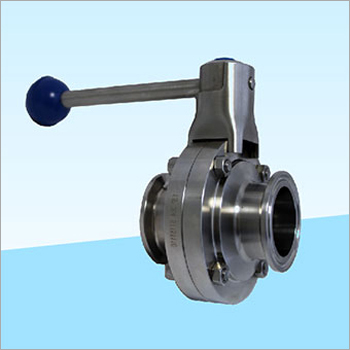
Tell us about your requirement

Price:
Quantity
Select Unit
- 50
- 100
- 200
- 250
- 500
- 1000+
Additional detail
Mobile number
Email

More Products in Sanitary Valves Category
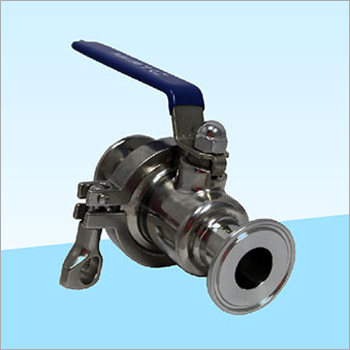
Sanitary Ball Valve
Price Range 2500.00 - 14500.00 INR / Unit
Minimum Order Quantity : 5 Units
Surface : Other, Polished / Mirror Finish
Shape : 3Piece
Working Temperature : Other, 10C to +120C
Media : Other, Liquid

 Send Inquiry


Our Products

Plot no. W-55, S-Block, MIDC, Bhosari,Pune - 411026, Maharashtra, India

Mr Venkatesh D Tammannavar
(Director)
Mobile :08045479417
 Send Inquiry
 Send SMS
Developed and Managed by Infocom Network Private Limited.
