Call us now :08045479417
 Send Inquiry
 Send Inquiry
PFA Lined Butterfly Valve
MOQ : 2 Units
PFA Lined Butterfly Valve Specification
- Connection
- Wafer
- Valve Type
- Butterfly
- Power Source
- Manual (Hand Lever/Gear Operated)
- Pressure
- PN16 or equivalent
- Media
- Corrosive Liquids Chemicals
- Working Temperature
- -20C to 180C
- Port Size
- 50mm to 300mm
- Shape
- Circular
- Warranty
- Standard Manufacturer Warranty
About PFA Lined Butterfly Valve
This precisely shaped PFA Lined Butterfly Valve is suitable for medium temperature and medium pressure based job. Developed from ductile iron or cast iron, this valve uses water type connector. It comprises of NBR or EPDM seal, aluminium or cast iron or carbon steel made hand wheel. PFA Lined Butterfly Valve is used as indispensable part of sewage disposal, water transferring and fire fighting pipelines. This type of valve can be used under -40 degree C to 225 degree C temperature condition. Long working life, low maintenance design, user friendly mechanism, high strength and optimum durability are its key aspects.Exceptional Chemical Resistance
PFA lining in these butterfly valves provides outstanding protection against aggressive corrosive chemicals, significantly extending the life and reliability of the valve. The lining ensures that even under challenging conditions, the valve maintains consistent performance and reduces maintenance frequency.
Versatile Application Range
Suited for port sizes from 50mm to 300mm, this valve accommodates diverse flow requirements. Its compatibility with wafer connections and circular design makes installation straightforward, whether retrofitting or embedding in new systems handling chemicals or corrosive fluids.
Manual Control for Precise Operation
Equipped with either a hand lever or gear-operated mechanism, the valve allows precise manual regulation of flow. This direct operation method is ideal for situations where rapid and accurate response is essential, without dependence on electrical or pneumatic actuation.
FAQs of PFA Lined Butterfly Valve:
Q: How is the PFA Lined Butterfly Valve installed in systems handling corrosive liquids?
A: The valve features a wafer connection that allows for easy integration between two pipeline flanges. Its circular shape suits standard flange types and provides a tight seal, ensuring safe and reliable operation in corrosive liquid applications.Q: What are the main advantages of using PFA lining in butterfly valves for chemical processing?
A: PFA lining offers superior chemical resistance compared to traditional materials, preventing corrosion and degradation. This ensures durability, prolongs the valves operational life, and minimizes the risk of contamination in chemical processing environments.Q: When should manual (hand lever or gear operated) butterfly valves be used in industrial settings?
A: Manual butterfly valves are ideal when precise, on-demand flow control is required, especially in environments where electrical or pneumatic actuation is not feasible. They provide straightforward operation and dependable performance in chemical plants and industries managing corrosive liquids.Q: Where are these valves commonly utilized within industrial applications in India?
A: These butterfly valves are widely employed in chemical manufacturing plants, wastewater treatment facilities, mining operations, and any process where aggressive or corrosive media are present and robust flow control is critical.Q: What is the process for maintaining a PFA lined butterfly valve?
A: Maintenance involves periodic inspection for wear, checking the integrity of the PFA lining, and ensuring the manual actuating parts move smoothly. Regular cleaning and timely replacement of seals help maintain optimal performance and safety.Q: How does the PN16 pressure rating benefit the end user?
A: The PN16 rating ensures reliable operation under common industrial pressures, providing enhanced safety and compatibility with standard pipeline systems. This allows users to confidently apply the valve in a broad range of moderate-pressure environments.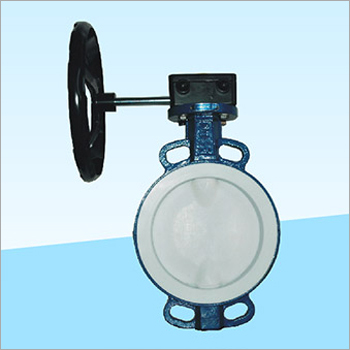
Tell us about your requirement

Price:
Quantity
Select Unit
- 50
- 100
- 200
- 250
- 500
- 1000+
Additional detail
Mobile number
Email

More Products in Butterfly Valves Category
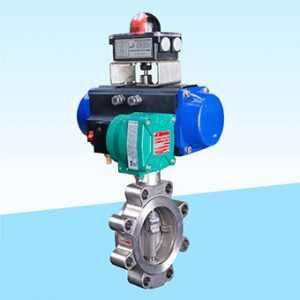
Double Offset Butterfly Valve
Minimum Order Quantity : 1 Set
Power Source : Other, Manual / Electric / Pneumatic
Working Temperature : Other, 29C to +425C
Material : Other, Stainless Steel / Carbon Steel
Shape : Round
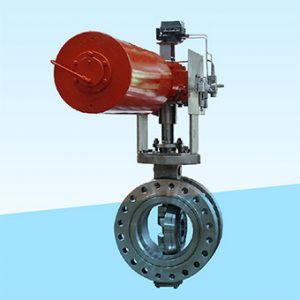
Triple Offset Butterfly Valve
Price 20000 INR / Piece
Minimum Order Quantity : 1 Piece
Power Source : Other, Manual, Electric, Pneumatic
Working Temperature : Other, 29C to 425C
Material : Other, Stainless Steel / Carbon Steel / Alloy Steel
Shape : Round / Wafer / Lug / Double Flanged
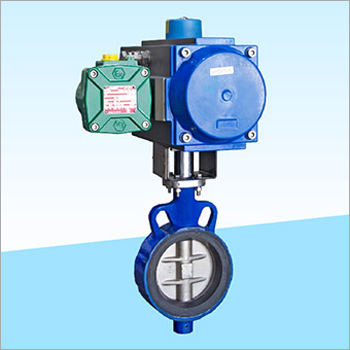
Centric Butterfly Valve
Price 3500 / Unit
Minimum Order Quantity : 1 Unit
Power Source : Other, Electric Actuator
Working Temperature : Other, Up to 200C
Material : Stainless Steel
Shape : Circular

 Send Inquiry


Our Products

Plot no. W-55, S-Block, MIDC, Bhosari,Pune - 411026, Maharashtra, India

Mr Venkatesh D Tammannavar
(Director)
Mobile :08045479417
 Send Inquiry
 Send SMS
Developed and Managed by Infocom Network Private Limited.
