Call us now :08045479417
 Send Inquiry
 Send Inquiry
Lift Check Valves
Price 800 INR/ Piece
MOQ : 1000 Pieces
Lift Check Valves Specification
- Features
- Corrosion resistance, leak proof, maintenance friendly
- Control System
- None (non-return action)
- Valve Type
- Check Valve
- Material
- Cast Steel, Stainless Steel, Carbon Steel, Alloy Steel
- Valve Size
- 15mm to 600mm
- Connection Type
- Flanged, Butt Weld End, Socket Weld End
- Application
- Industrial fluid control, petroleum, chemical, power plants, water supply systems
- Sealing
- Metallic/Soft Seat (as per requirement)
- Structure
- Lift Type, Bolted Bonnet, Straight Pattern
- Type
- Lift Check Valve
- Power
- Manual
- Pressure
- Class 150 to 1500/PN10 to PN160
- Media
- Water, Oil, Gas, Steam, Chemicals
- Port Size
- 1/2 to 24 (DN15 to DN600)
- Temperature
- -10C to 425C
- Disc
- Solid or renewable disc
- Design Standard
- BS 1868, API 6D, ASME B16.34
- Flow Direction
- Unidirectional
- Coating
- Epoxy painted or as specified
- End Connection Standard
- ASME/ANSI B16.5
- Seat Leakage Class
- API 598
- Face to Face Dimension
- ASME B16.10 or equivalent
- Body Test Pressure
- As per API 598
Lift Check Valves Trade Information
- Minimum Order Quantity
- 1000 Pieces
- Supply Ability
- 30 Pieces Per Day
- Delivery Time
- 1-2 Week
About Lift Check Valves
Founded in the year 2001, our company is a leading manufacturer and supplier of stainless steel Lift Check Valves. These fittings are to ideal to fit with water pipe lines for controlling pressure. They are used in water pipes, filters and tanks, for smooth flow of liquids. The offered valves find their application in storage tanks, swimming pools and many other industrial sectors. The offered valves are manufactured by our diligent experts by utilizing quality approved materials and. Available in diverse models, clients can purchase these Lift Check Valves at market leading prices.
Lift Check Valves Advantages:
- Longer life
- Withstand high pressure
- Rust resistance
Lift Check Valves Specifications:
| Minimum Order Quantity | 1 Piece |
| Media | Air, Gas, Liquid |
| Brand | IPC |
| Type | Check Valve |
| Sizes (inch) | 2 to 24 (dn-50 to dn-600) |
| Pattern | Swing |
Robust Construction and Versatility
Manufactured from high-quality materials like cast steel, stainless steel, and alloy steel, Lift Check Valves are built to withstand harsh environments. With versatile connection optionsflanged, butt weld, or socket weldthey are adaptable to a wide array of piping systems, making them suitable for industrial fluid control across multiple sectors.
Comprehensive Standard Compliance
These valves conform to rigorous international standards including ASME B16.10 for face-to-face dimensions, API 598 for pressure testing and leakage, and API 6D/BS 1868 for design. Their compliance ensures consistent performance, quality assurance, and compatibility within diverse engineering projects.
FAQs of Lift Check Valves:
Q: How does a Lift Check Valve operate in fluid control systems?
A: A Lift Check Valve permits flow in only one direction. When fluid pressure enters from the inlet, it lifts the disc, allowing passage. If flow reverses, the disc returns to its seat, preventing backflowcritical for maintaining process integrity in industrial operations.Q: What should be considered when selecting a Lift Check Valve for industrial applications?
A: Key considerations include the valve material (cast steel, stainless steel, etc.), pressure class (Class 150 to 1500/PN10 to PN160), temperature range (-10C to 425C), end connection type (flanged, butt weld, or socket weld), and the required coating or seat type to ensure compatibility with the process media and environment.Q: When is a metallic or soft seat recommended for these valves?
A: Metallic seats are ideal for high-temperature or abrasive media, ensuring durability and extended service life. Soft seats, on the other hand, offer enhanced sealing for applications requiring tight shutoff and lower leakage, such as water or clean fluids under moderate temperatures.Q: Where can Lift Check Valves be installed?
A: Lift Check Valves are commonly installed in pipelines across industries like petroleum, chemical, power plants, and water supply systemsanywhere unidirectional fluid control is necessary to safeguard equipment or maintain process integrity.Q: What is the process for testing Lift Check Valves before installation?
A: Each valve undergoes rigorous body and seat leakage tests according to API 598 standards. This includes applying pressure to ensure structural integrity and leak-proof performance before shipment to customers, guaranteeing reliability upon installation.Q: How does the valve design benefit maintenance and longevity?
A: The bolted bonnet and maintenance-friendly structure facilitate straightforward inspection and servicing. Corrosion-resistant epoxy coatings further extend valve life, reducing the frequency and cost of maintenance in demanding service environments.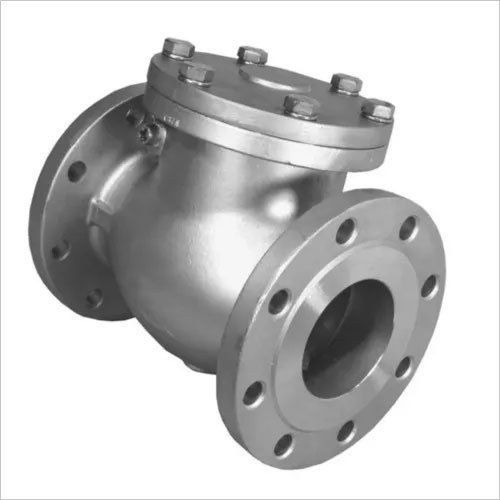
Tell us about your requirement

Price:
Quantity
Select Unit
- 50
- 100
- 200
- 250
- 500
- 1000+
Additional detail
Mobile number
Email

More Products in Check Valves Category
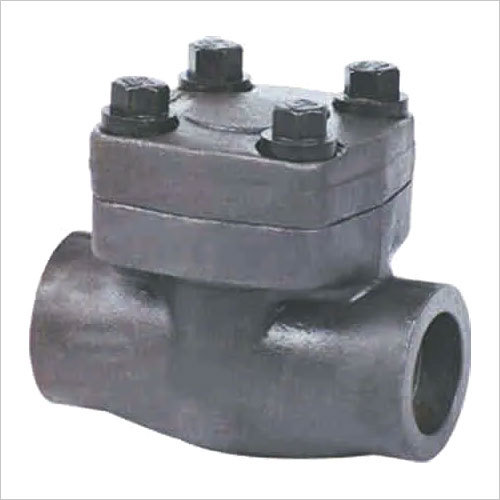
Non Return Valves
Minimum Order Quantity : 1000 Units
Application : Industrial, Water, Gas, Oil, HVAC, Pipeline Systems
Port Size : 1/2 to 6 (DN15DN150)
Media : Other, Water, Oil, Gas, Air or Steam
Structure : Other, Swing / Wafer / Lift / Ball Type
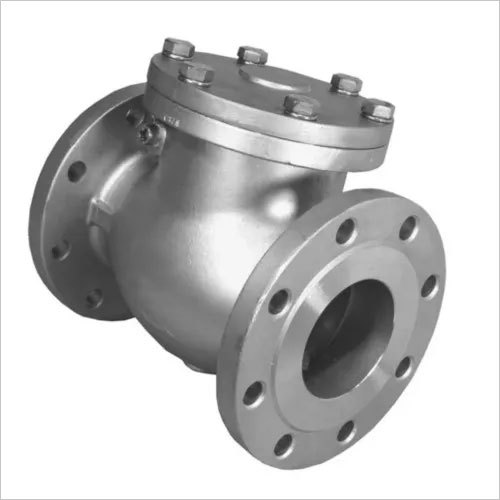
API Swing Check Valve
Price 2000 INR / Piece
Minimum Order Quantity : 1000 Pieces
Application : Chemicals, Oil and Gas, Pharma, Food, Power, Fertilisers, Dairy, Speciality Chemicals
Port Size : 15 mm to 600 mm
Structure : Check
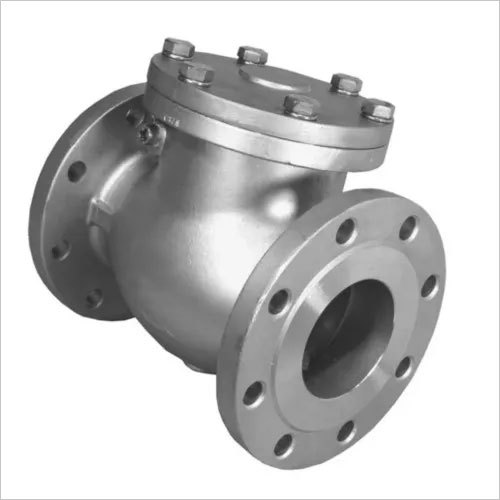
Forged Steel Check Valves
Price 1050 INR / Unit
Minimum Order Quantity : 1000 Units, ,
Application : Industrial
Media : Gas, Water, Oil

 Send Inquiry


Our Products

Plot no. W-55, S-Block, MIDC, Bhosari,Pune - 411026, Maharashtra, India

Mr Venkatesh D Tammannavar
(Director)
Mobile :08045479417
 Send Inquiry
 Send SMS
Developed and Managed by Infocom Network Private Limited.
