Call us now :08045479417
 Send Inquiry
 Send Inquiry
Multi Port Ball Valve
MOQ : 1 Piece
Multi Port Ball Valve Specification
- Channels
- 3 Way / 4 Way
- Pressure
- 150 PSI to 1000 PSI
- Connection
- Flanged / Screwed / Socket Weld
- Structure
- Three Piece Body
- Caliber
- Full Bore
- Material
- Stainless Steel
- Power
- Manual
- Media
- Water, Oil, Gas, Chemicals
- Temperature of Media
- -10C to 180C
- Port Size
- 1/2 to 6
- Flange
- ANSI / DIN / JIS Standard
- Finish
- Mirror Finish
- Application
- Industrial Flow Control
About Multi Port Ball Valve
For many years, we are instrumental in manufacturing and supplying a large array of Multi Port Ball Valve. These valves are used for controlling pressure of fluid from three sides and are offered to our clients in numerous specifications to meet the changing needs of our clients. Offered valves are manufactured at our well-equipped advanced manufacturing unit under the guidance of our experts utilizing quality tested raw materials and pioneering technology. These Multi Port Ball Valves can be easily availed from us at reasonable prices.
Multi Port Ball Valve Features:
- Rugged structure
- Compact design
- Perfect finish
- Durability
Multi Port Ball Valve Specification:
| Media | Air, Gas, Liquid |
| Material | Stainless Steel , Carbon Steel |
| Branded (Y/N) | Yes |
| Pattern | Three Piece |
| Brand | IPC |
| Type | Ball Valve |
Advanced Multi Port Channel Design
This ball valve supports 3-way and 4-way channels, facilitating complex flow patterns and processes in industrial setups. Its multi-port configuration enables diversion, mixing, or shut-off operations, making it highly adaptable for flow control across water, oil, gas, and chemical media.
Premium Materials and Reliability
Crafted from SS304 or SS316 stainless steel, the valve guarantees strong corrosion resistance and longevity. PTFE/reinforced PTFE seat materials deliver excellent sealing, managing a wide temperature range from -10C to 180C and pressures up to 1000 PSI. Optional fire-safe designs and anti-static devices enhance operational safety.
Versatile Operation and Standards
With options for manual (lever/gear), pneumatic, or electric actuator operation, this valve caters to various process requirements. It conforms to ASME B16.34 design standard and offers mounting pads as per ISO, ensuring compatibility with different industrial control systems. Flanged, socket weld, or threaded end connections meet ANSI, DIN, and JIS standards.
FAQs of Multi Port Ball Valve:
Q: How does the multi port ball valve enhance industrial flow control processes?
A: The multi port ball valves design enables flexible configurations, such as diverging, mixing, or isolating multiple flow paths, streamlining complex industrial flow control systems and improving overall process efficiency.Q: What are the benefits of choosing PTFE or reinforced PTFE for the seat material?
A: PTFE and reinforced PTFE seat materials provide excellent chemical resistance, low friction, and tight sealing performance, making the valve suitable for handling corrosive media and ensuring minimal leakage (Class VI).Q: When should I select gear, pneumatic, or electric actuator operation over manual lever operation?
A: Gear, pneumatic, and electric actuators are ideal for remotely operated or automated environments where quick, accurate flow control is necessary, or for applications involving larger valves and higher operational torque, while manual lever operation suits simple, direct control needs.Q: Where can this valve be installed given its end connection types?
A: The valve can be installed in pipelines or systems with flanged, socket weld, or threaded connections, supporting ANSI, DIN, or JIS standards, and is suitable for various industrial environments across India and abroad.Q: What is the process for ensuring safety in this valves operation?
A: Safety is assured through features like fire-safe design (as an option), blowout-proof stem construction, optional anti-static devices, and compliance with rigorous standards such as ASME B16.34 and ISO mounting pad protocols.Q: How does the mirror finish benefit the valves performance?
A: A mirror finish on stainless steel surfaces reduces the likelihood of contamination buildup, ensures smoother flow, and eases cleaning, enhancing operational reliability especially in chemical and food-grade applications.Q: What are the advantages of using a full bore, three-piece body structure in this valve?
A: A full bore design offers unrestricted flow and minimal pressure drop, while the three-piece body allows easier maintenance and access to internal components without fully removing the valve from the pipeline.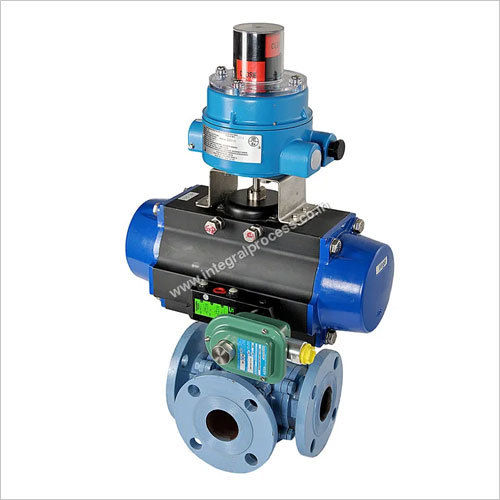
Tell us about your requirement

Price:
Quantity
Select Unit
- 50
- 100
- 200
- 250
- 500
- 1000+
Additional detail
Mobile number
Email

More Products in Ball Valves Category
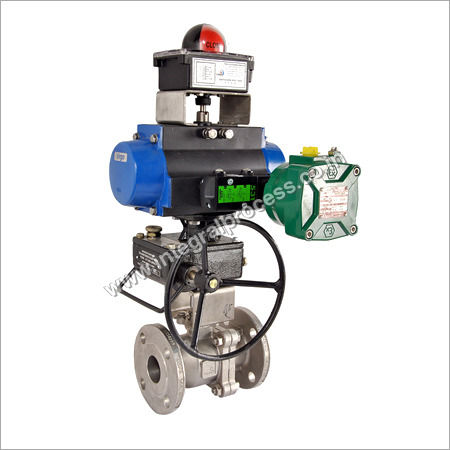
Floating Ball Valves
Price 6500 / Unit
Minimum Order Quantity : 1 Unit
Material : Other, Carbon Steel / Stainless Steel
Channels : Double
Pressure : Other, PN16, PN25, PN40, Class 150/300
Finish : Polished
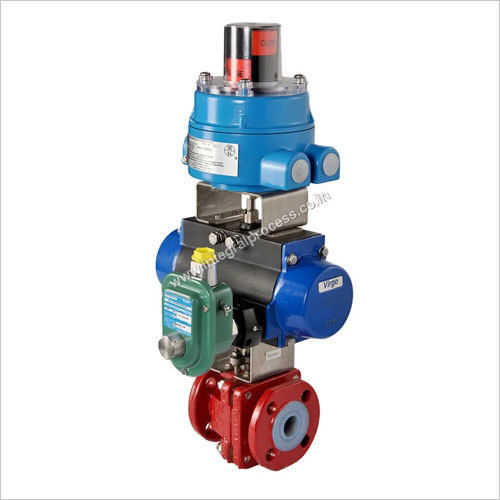
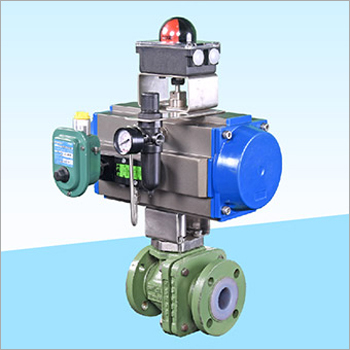
Automated Lined Ball Valve
Price 10000 INR
Minimum Order Quantity : 1 Piece
Material : Other, PTFE / FEP / PFA Lined Cast Iron, Stainless Steel
Channels : Single / Double
Pressure : Other, 150# to 300#
Finish : Epoxy Coated / Painted / Polished

 Send Inquiry


Our Products

Plot no. W-55, S-Block, MIDC, Bhosari,Pune - 411026, Maharashtra, India

Mr Venkatesh D Tammannavar
(Director)
Mobile :08045479417
 Send Inquiry
 Send SMS
Developed and Managed by Infocom Network Private Limited.
