Call us now :08045479417
 Send Inquiry
 Send Inquiry
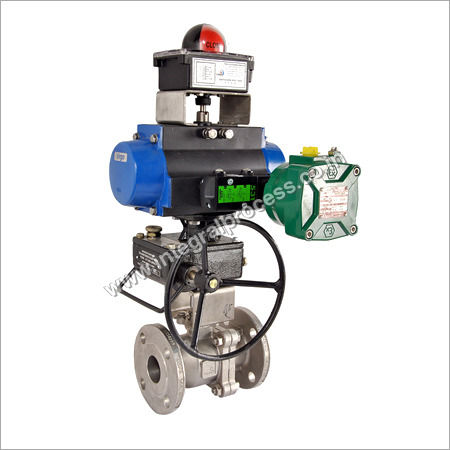
PFA Lined Ball Valve
MOQ : 1 Unit
PFA Lined Ball Valve Specification
- Caliber
- Full bore
- Channels
- Single channel (straight through flow)
- Structure
- Two-piece wafer or flanged type ball valve
- Connection
- Flanged ends as per ANSI B16.5/Class 150 or DIN standards
- Pressure
- Class 150 (10 bar or 150 psi)
- Material
- PFA (Perfluoroalkoxy) lined cast iron/wrought steel body with stainless steel internals
- Power
- Manual (hand lever or gear operated)
- Media
- Corrosive chemicals, acids, alkalis, solvents
- Temperature of Media
- Up to 200C (392F)
- Port Size
- to 12 (DN15 to DN300)
- Flange
- Drilled as per ANSI, DIN, or JIS flange standards
- Finish
- PFA lining with epoxy coated external surface
- Application
- Chemical processing, pharmaceuticals, water treatment, petrochemical industries
- Blow-Out Proof Stem
- Yes
- Sealing Type
- Bubble tight shutoff, anti-blowout stem design
- Standards Compliance
- API 608, ANSI B16.5, DIN PN10/16
- Testing
- 100% hydro and pneumatic tested as per API 598
- End Connection
- Flanged or wafer style
- Antistatic Design
- Optional
- Working Life
- Long life, low maintenance design
- Operation
- Lever operated as standard, gear and pneumatic actuator options available
- Leakage Class
- Class VI
- Seat Material
- PTFE
- Stem Material
- SS316 with PFA coating
- Fire Safe Design
- Available on request
- Ball Material
- SS316 or SS304 with PFA encapsulation
- Corrosion Resistance
- Excellent resistance to highly corrosive media
About PFA Lined Ball Valve
This precisely developed PFA Lined Ball Valve has been designed as per GB/DIN/ASME specifications. Operating temperature of this valve ranges between -29 degree C to 200 degree C. Ball of this valve is made of standard grade PTFE and WCB materials. Based on application needs, this PFA Lined Ball Valve can be availed with electric/pneumatic/manual driving mode based option. This flow controlling accessory is suitable for low pressure based working environment. Wrought carbon based body of this product comprises of precisely shaped ball, 304 grade stainless steel stem, PTFE seat and viton made o ring. This ball valve is suitable for corrosive fluid, air and water transferring pipelines.Superior Corrosion Resistance
With its robust PFA lining and epoxy-coated surface, this ball valve offers outstanding protection against aggressive chemicals and corrosive media, ensuring extended service life in the harshest industrial environments. The use of stainless steel internals and high-grade polymers guarantees reliability and minimal maintenance even under continuous operation.
Versatile Design and Operation
Available in both flanged and wafer-type configurations, the valve suits a broad range of pipelines. Standard manual lever operation is complemented by options for gear or pneumatic actuation for automated processes. This versatility enables seamless integration into various industrial applications where flexibility and adaptability are essential.
Safety and Standards Compliance
Safety is prioritized through features such as bubble-tight shutoff, blow-out proof stem, and optional fire-safe and antistatic designs. Each valve undergoes complete hydrostatic and pneumatic testing as per API 598, ensuring compliance with API 608, ANSI B16.5, and DIN PN10/16 standards for dependable performance and peace of mind.
FAQs of PFA Lined Ball Valve:
Q: How does the PFA lined ball valve ensure resistance to corrosive chemicals?
A: The valves interior surfaces are lined with Perfluoroalkoxy (PFA), providing excellent resistance to a vast range of corrosive chemicals, acids, alkalis, and solvents. The PFA encapsulation protects all wetted parts, shielding them from aggressive media and enhancing durability.Q: What are the standard operating options for the ball valve and when should automation be considered?
A: The valve is manually operated by default using a hand lever but offers gear and pneumatic actuator options for process automation. Automation should be considered in high-cycle, remote, or hazardous environments where manual operation is impractical or unsafe.Q: Where can PFA lined ball valves be commonly used?
A: These valves are ideal for industries such as chemical processing, pharmaceuticals, water treatment, and petrochemicals, wherever reliable isolation of corrosive or hazardous media is crucial. Their versatility allows installation in both new and existing pipelines.Q: What process standards and tests does the PFA lined ball valve comply with?
A: Compliant with API 608, ANSI B16.5, and DIN PN10/16 standards, each valve undergoes rigorous 100% hydrostatic and pneumatic testing in line with API 598. This ensures the valves integrity, reliability, and compliance with industry benchmarks.Q: How does the anti-blowout stem design contribute to operational safety?
A: The anti-blowout stem design ensures that the stem cannot be ejected from the valve body under pressure, reducing the risk of accidents and enhancing overall plant safety. This is especially important in high-pressure or corrosive service environments.Q: What benefits does the bubble-tight shutoff and Class VI leakage rating provide?
A: Bubble-tight shutoff and a Class VI leakage rating assure zero leakage during operation, safeguarding process integrity and minimizing the risk of media loss or environmental contamination, which is essential in critical applications.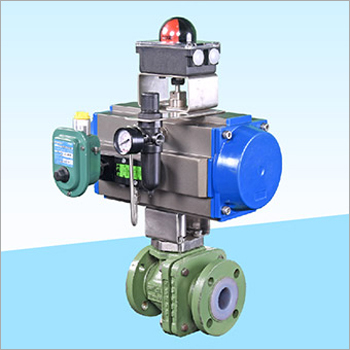
Tell us about your requirement

Price:
Quantity
Select Unit
- 50
- 100
- 200
- 250
- 500
- 1000+
Additional detail
Mobile number
Email

More Products in Ball Valves Category
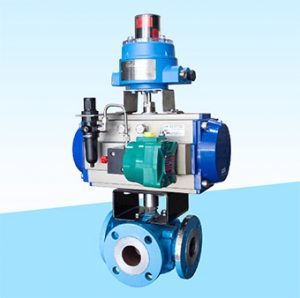
3 Way Ball Valve
Minimum Order Quantity : 1 Unit
Power : Manual / Pneumatic / Electric
Flange : ANSI, DIN, JIS Standard
Caliber : Full Bore / Reduced Bore
Channels : 3
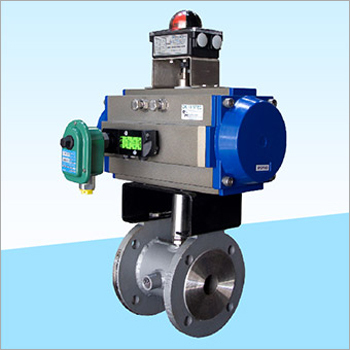
Jacketed Ball Valve
Price 5500 / Unit
Minimum Order Quantity : 2 Units
Power : Manual, Pneumatic, Electric
Flange : ANSI, DIN, JIS Standard Flanges
Caliber : Standard and customized as required
Channels : Single Channel
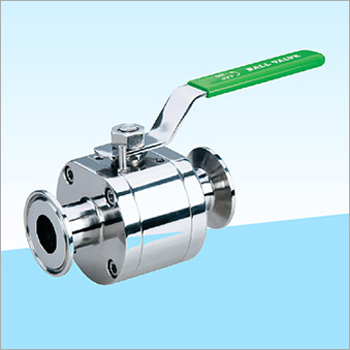
Cavity Filled Ball Valve
Price 2800 / Unit
Minimum Order Quantity : 2 Units
Power : Manual
Flange : ANSI, DIN, BS Standard Flanges
Caliber : Standard Bore
Channels : Single Channel
Floating Ball Valves
Price 6500 / Unit
Minimum Order Quantity : 1 Unit
Power : Manual
Flange : ANSI, DIN, JIS Standard
Caliber : Full Bore
Channels : Double

 Send Inquiry


Our Products

Plot no. W-55, S-Block, MIDC, Bhosari,Pune - 411026, Maharashtra, India

Mr Venkatesh D Tammannavar
(Director)
Mobile :08045479417
 Send Inquiry
 Send SMS
Developed and Managed by Infocom Network Private Limited.
