Call us now :08045479417
 Send Inquiry
 Send Inquiry
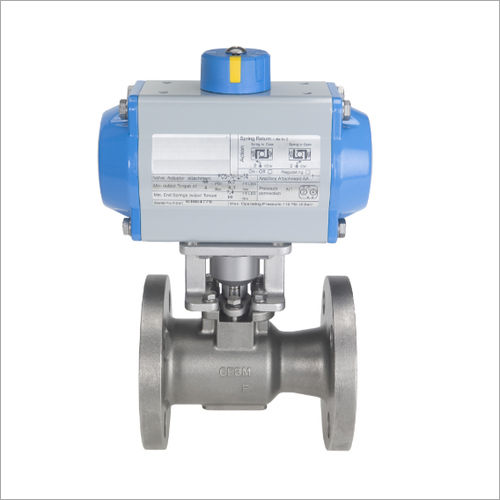
Motor Operated Valves
MOQ : 1 Unit
Motor Operated Valves Specification
- Material
- Cast Iron, Stainless Steel, Carbon Steel
- Power
- 220V/380V AC
- Pressure
- PN16 to PN40
- Media
- Liquid, Gas
- Port Size
- 1/2 Inch to 12 Inch
- Surface
- Epoxy Painted/Polished
- Shape
- Round/Flanged
- Application
- Water, Steam, Oil, Gas Pipeline
Motor Operated Valves Trade Information
- Minimum Order Quantity
- 1 Unit
- Supply Ability
- 2 Units, , Per Day
- Delivery Time
- 2-3 Week
About Motor Operated Valves
The Motor Operated Valves are made from premium grade raw materials. Apart from this they are made under the guidance of skilled workers using sophisticated techniques and modern machinery. These valves are commonly used in different industries for controlling materials' flow. The Motorised Valves are offered in numerous specifications and can be also customized, as per the requirement of our clients. Furthermore, they are tested on numerous parameters to ensure they are free from defect.
Motor Operated Valves Features:
- Compact design
- High strength
- Dimensional accuracy
- Precisely designed
Motorised Valves Specification:
| Material | SS/ Carbon Steel |
| Brand | IPC |
| Type | Valve |
| Operation Type | Motorized |
Versatile Valve Materials for Varied Applications
Motor Operated Valves are available in cast iron, stainless steel, and carbon steel, catering to diverse usage needs. These materials ensure durability and compatibility with different pipeline conditions, from corrosive environments to high-pressure systems. Their robust construction allows for reliable operation in water, steam, oil, and gas applications, making them an ideal solution for a broad spectrum of industrial requirements.
Precision and Performance for Pipeline Control
With their electric actuation, MOVs provide precise flow control with minimal manual intervention. Powered by 220V or 380V AC, these valves are engineered to operate efficiently under pressures ranging from PN16 to PN40. Their port sizes, extending from 1/2 inch to 12 inches, accommodate both small-scale and large-scale pipeline systems, ensuring flexibility in various installation scenarios.
FAQs of Motor Operated Valves:
Q: How are motor operated valves installed and connected to pipeline systems?
A: Motor operated valves are installed directly onto pipeline networks using their round or flanged ends. They are secured according to port size (1/2 inch to 12 inches) and compatible with standard pipeline connections. Power supply (220V or 380V AC) is then connected to the actuator, completing the installation process.Q: What media can these motor operated valves handle effectively?
A: These valves are suitable for liquid and gas media, efficiently controlling the flow of water, steam, oil, or various gases within different pipeline systems. Their robust materials ensure consistent performance across a range of industrial and utility applications.Q: When should I choose a cast iron, stainless steel, or carbon steel valve?
A: Selection depends on the operating environment: cast iron suits water and low-corrosive media, stainless steel is preferred for corrosive or hygienic conditions, while carbon steel is ideal for high-pressure or oil and gas pipelines.Q: Where can these motor operated valves be used?
A: They are designed for use in water distribution networks, steam systems, oil transfer lines, and gas pipelinescovering sectors like power generation, industrial processing, municipal services, and chemical plants.Q: What is the process for maintenance and servicing of MOVs?
A: Routine inspection is recommended for motor, actuator, and valve integrity. Surface cleaning, checking for leaks, and verifying electrical connections help ensure consistent operation. Easy access flange construction aids in periodic servicing or part replacement when required.Q: How does surface finish like epoxy painting or polishing benefit the valve?
A: Epoxy painted and polished finishes provide robust corrosion resistance and prolong valve life. These coatings enhance durability in harsh industrial environments and support long-term reliable performance.Q: What are the key benefits of using electric motor operated valves in pipelines?
A: MOVs deliver precise automated control, reduce manual labor, enhance safety, and allow for remote operation. Their adaptability to different pressures, port sizes, and media types makes them an efficient, flexible solution for modern industrial pipeline systems.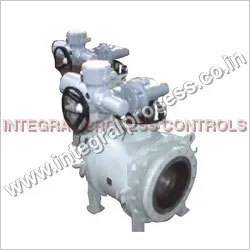
Tell us about your requirement

Price:
Quantity
Select Unit
- 50
- 100
- 200
- 250
- 500
- 1000+
Additional detail
Mobile number
Email

More Products in Automated Valves Category
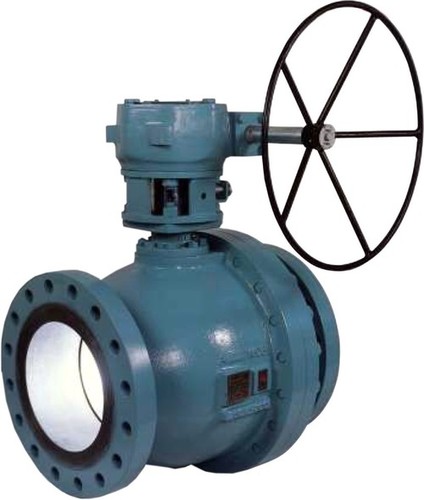
Actuator Ball Valve
Price 5000 INR / Piece
Minimum Order Quantity : 1 , , Piece
Material : Stainless Steel
Surface : Other, Polished
Power : Other , Electric
Structure : Other, Ball Valve
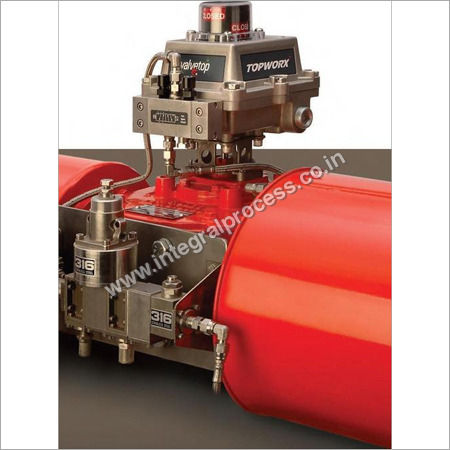
Emergency Shutdown Valves
Price 9500 / Unit
Minimum Order Quantity : 1 Unit
Material : Stainless Steel
Surface : Other, Polished / Painted
Power : Other , Pneumatic / Electric
Structure : Other, Flanged / Welded
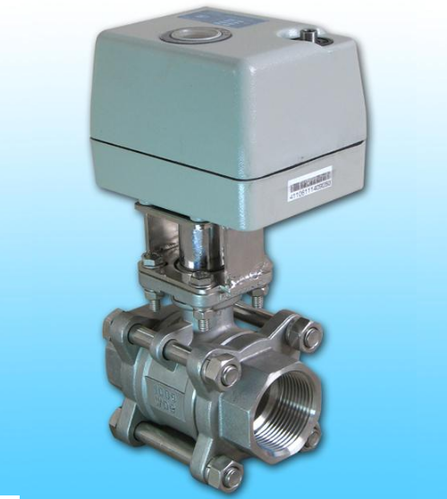

 Send Inquiry


Our Products

Plot no. W-55, S-Block, MIDC, Bhosari,Pune - 411026, Maharashtra, India

Mr Venkatesh D Tammannavar
(Director)
Mobile :08045479417
 Send Inquiry
 Send SMS
Developed and Managed by Infocom Network Private Limited.
