Call us now :08045479417
 Send Inquiry
 Send Inquiry
Double Offset Butterfly Valve
MOQ : 1 Set
Double Offset Butterfly Valve Specification
- Connection
- Flanged / Lug / Wafer
- Valve Type
- Double Offset Butterfly Valve
- Material
- Stainless Steel / Carbon Steel
- Power Source
- Manual / Electric / Pneumatic
- Pressure
- PN10, PN16, PN25, PN40
- Media
- Water, Oil, Gas, Chemical
- Working Temperature
- -29C to +425C
- Port Size
- DN50 to DN1200
- Shape
- Round
- Shaft Material
- Stainless Steel AISI 410 / 316
- Face to Face
- EN 558 Series 20 / API 609
- Seat Material
- EPDM / PTFE / Metal Seated
- Application
- HVAC, Waterworks, Power Plant, Oil & Gas, Chemical Industry
- Body Coating
- Epoxy or Painted Finish
- Test Standard
- API 598 / ISO 5208
- End Connection Standard
- EN 1092-2 / ASME B16.5
- Design Standard
- API 609 / BS EN 593
- Disc Material
- Stainless Steel / CF8 / CF8M
- Seal
- Bubble Tight Shut Off
- Corrosion Resistance
- High
- Operation
- Lever, Gear, Pneumatic Actuator, Electric Actuator
Double Offset Butterfly Valve Trade Information
- Minimum Order Quantity
- 1 Set
- Supply Ability
- 50 Sets Per Week
- Delivery Time
- 16 Week
About Double Offset Butterfly Valve
With our major focus on client satisfaction, we are engaged in manufacturing and supplying a broad range of Double Offset Butterfly Valve. These valves are widely used for controlling flow of fluid and are widely demanded in various industries. The offered valves are manufactured under the proper direction of our deft professionals by making use of finest quality raw materials and latest machinery. Further, the provided valves are also stringently checked on numerous parameters to assure their high quality and durability. These Double Offset Butterfly Valves are offered at most competitive prices.
Double Offset Butterfly Valve Features:
- Perfect finish
- Durability
- Leakage proof
- Impact resistance
Double Offset Butterfly Valve Specification:
- Pressure Rating #150, #300
- Sizes 2" to 24"
- Mfg Standards API 609 / BS EN 593
- Testing Standards API 598 / BS EN 12266 -1
- End Details ASME B 16.5
- Face To Face API 609
Durability and Efficiency for Critical Applications
Engineered for reliability, the double offset butterfly valve withstands harsh media and pressure conditions. Its stainless steel disc and shaft, combined with high-performance coatings, guarantee long-lasting corrosion resistance. The ergonomic design supports manual, pneumatic, and electric operations, making it ideal for a broad range of industries, including waterworks, HVAC, and oil & gas.
Advanced Sealing Technology: Bubble Tight Shutoff
Featuring state-of-the-art bubble tight shutoff, this valve prevents leakage even in severe applications. Multiple seat optionsEPDM, PTFE, and metalallow you to optimize the seal for your specific media and operating conditions. This advanced sealing ensures process safety and regulatory compliance.
Flexible Installation and Universal Compliance
Designed to meet global certifications, such as API 609, BS EN 593, and more, this valve simplifies project specifications and procurement. Compatible with flanged, lug, or wafer connections, and available in extensive port sizes, it adapts effortlessly to infrastructure upgrades or new installations in any major industrial setting.
FAQs of Double Offset Butterfly Valve:
Q: How does a double offset butterfly valve ensure bubble-tight shut off?
A: The double offset design positions the disc away from the seal, minimizing wear and enabling precise, repeated contact for a bubble-tight shut off. This feature, combined with high-quality seat materials like EPDM, PTFE, or metal, reliably prevents leakage even in high-pressure and high-temperature environments.Q: What are the advantages of stainless steel discs and shafts in this valve?
A: Stainless steel discs (CF8/CF8M) and shafts (AISI 410/316) provide superior corrosion resistance, mechanical strength, and durability. This construction is ideal for processes involving corrosive fluids or aggressive operating conditions, enhancing valve lifespan and reducing maintenance frequency.Q: Where can double offset butterfly valves be used?
A: These valves are widely used in HVAC, waterworks, power plants, oil & gas, and chemical industries. Their high corrosion resistance, flexibility of connection types, and compatibility with various media (water, oil, gas, chemicals) make them particularly advantageous for both critical and standard applications.Q: When should you choose EPDM, PTFE, or metal seated valves?
A: EPDM seats are best for water and non-corrosive applications, PTFE suits aggressive chemicals or higher temperatures, and metal seats provide robust sealing for abrasive or high-temperature services. Selection depends on your specific process media and operating conditions.Q: How can the valve be operated and automated?
A: This valve is designed for versatile operation. Manual lever and gear options suit simple installations, while pneumatic or electric actuators enable automation, remote control, and integration into complex process systems.Q: What international standards does the valve comply with?
A: It complies with API 609 and BS EN 593 design standards, API 598 and ISO 5208 test standards, and face-to-face requirements from EN 558 Series 20/API 609. Connection compatibility includes EN 1092-2 and ASME B16.5 flanges, ensuring global suitability and straightforward project approval.Q: What is the process for installation and maintenance?
A: Installation is flexible due to the flanged, lug, or wafer end connections and a round shape that fits standard pipelines. Routine maintenance mostly involves checking seat integrity and actuator function, simplified by the valves accessible design and corrosion-resistant materials.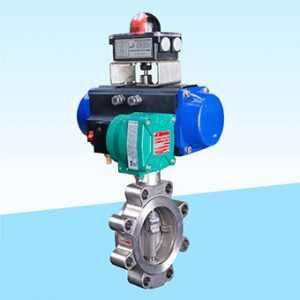
Tell us about your requirement

Price:
Quantity
Select Unit
- 50
- 100
- 200
- 250
- 500
- 1000+
Additional detail
Mobile number
Email

More Products in Butterfly Valves Category
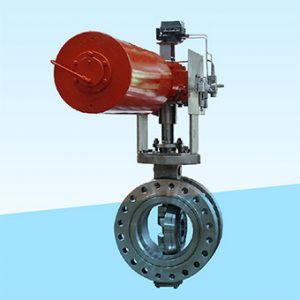
Triple Offset Butterfly Valve
Price 20000 INR / Piece
Minimum Order Quantity : 1 Piece
Port Size : 2 to 48 (DN50 DN1200)
Valve Type : Other, Triple Offset Butterfly Valve
Working Temperature : Other, 29C to 425C
Shape : Round / Wafer / Lug / Double Flanged
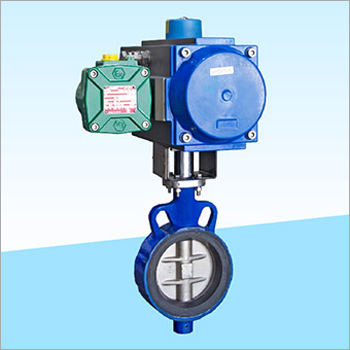
Centric Butterfly Valve
Price 3500 / Unit
Minimum Order Quantity : 1 Unit
Port Size : 2 inches
Valve Type : Other, Butterfly Valve
Working Temperature : Other, Up to 200C
Shape : Circular
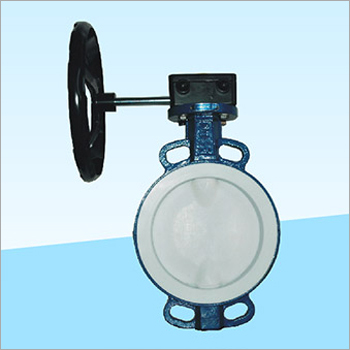
PFA Lined Butterfly Valve
Price 3500 / Unit
Minimum Order Quantity : 2 Units
Port Size : 50mm to 300mm
Valve Type : Butterfly, Other
Working Temperature : Other, 20C to 180C
Shape : Circular

 Send Inquiry


Our Products

Plot no. W-55, S-Block, MIDC, Bhosari,Pune - 411026, Maharashtra, India

Mr Venkatesh D Tammannavar
(Director)
Mobile :08045479417
 Send Inquiry
 Send SMS
Developed and Managed by Infocom Network Private Limited.
